Engineered for extreme durability, cellular reliability, and optical clarity. Explore our wholesale catalog of OEM/ODM smartwatches and integrated screen protection solutions.
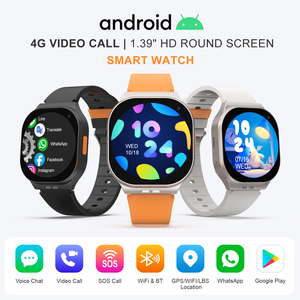
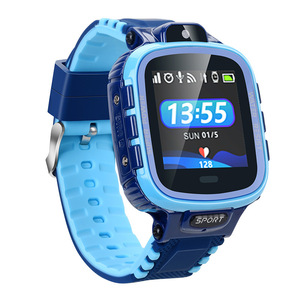
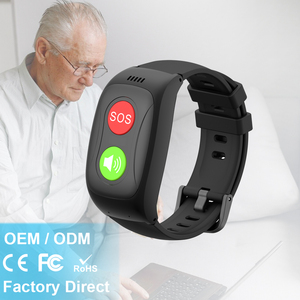
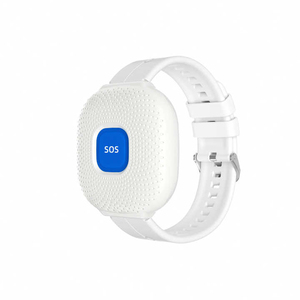
As wearable electronics transition from niche tracking devices to critical mobile health and communication hubs, screen longevity and optical clarity have become paramount procurement criteria.
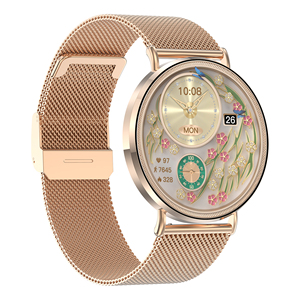
Modern smartwatch displays—ranging from ultra-vivid 1.32" AMOLED curved screens to high-contrast monochrome LED panels—require complex multi-layer screen protection stackups. Modern Chinese manufacturing hubs leverage chemical tempering (potassium nitrate bath exchange at 420°C) to dramatically enhance the surface compressive stress of alumino-silicate substrate glass.
For high-impact environments like children's active GPS tracking watches or outdoor elderly health monitors, standard PET film is insufficient. Wholesalers and OEM buyers increasingly demand 3D hot-bending composite PMMA/PET hybrids or high-alumina tempered glass featuring custom die-cut beveling to resist edge chipping.
Information gain analysis reveals that B2B buyers frequently struggle with coating wear-off in low-cost screen protectors. Leading manufacturers in Shenzhen and Dongguan implement thermal vacuum evaporation (PVD) to deposit fluorosilane anti-fingerprint coatings.
This achieves an initial water contact angle exceeding 115°, maintaining smooth tactile responsiveness even after thousands of continuous swipe gestures. Furthermore, anti-reflective (AR) nano-layers reduce outdoor sunlight glare, crucial for emergency video chats and real-time GPS map reading on standalone smartwatches.
Rooted in nearly a decade of precision hardware manufacturing, our enterprise production architecture bridges high-yield screen protection fabrication with complex IoT wearable device assembly.
Optical clarity starts at the substrate adhesive layer. Our manufacturing facilities utilize high-viscosity, bubble-free Japanese Toyo AB Glue (0.12mm–0.18mm thickness), coated within certified Class 10,000 cleanrooms. This prevents micro-dust inclusions, edge haloing, and rainbow Newton rings upon application to smartwatches.
Every production batch undergoes exhaustive reliability verification: 64g steel ball drop tests from 1.2 meters to assess impact resistance, artificial sweat immersion testing, humidity chamber exposure (65°C / 95% RH), and optical transmittance spectrophotometry. All screen protector materials comply fully with REACH, RoHS, and California Proposition 65 standards.
We empower global B2B clients, brand owners, and electronics distributors with complete turnkey OEM/ODM services. From precision laser die-cutting tailored to specific smartwatch bezel geometry to custom retail packaging (biodegradable kraft trays, alcohol prep wipes, alignment installation frames), we streamline your brand's market entry.
Disruptive innovations in wearable hardware demand rapid evolution in screen protection chemistry, geometry, and functional integration.
As modern smartwatch designs shift toward seamlessly curved 2.5D and 3D AMOLED displays, flat tempered glass leaves vulnerable exposed edges. The industry is rapidly adopting thermal-molded PMMA (Poly-methyl Methacrylate) and PET composite materials that wrap around the screen's edge without lifting or trapping air bubbles over time.
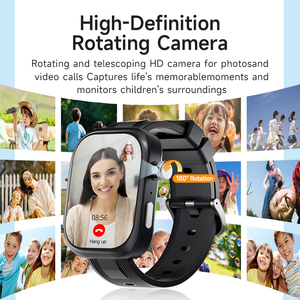
With kids smartwatches emerging as primary communication tools featuring video calls, pedometers, and educational UI, parental concerns regarding prolonged screen exposure have surged. Next-gen screen protectors incorporate specialized anti-blue light optical layers that filter high-energy visible (HEV) light in the 380nm–450nm spectrum without distorting screen color fidelity.
For rugged outdoor watches, senior emergency SOS bracelets, and active fitness trackers, rigid glass can fracture under direct impact. Nano-elastic TPU hydrogel films utilize molecular memory networks that self-heal hairline scratches within 24–48 hours, absorbing kinetic impacts while preserving touch sensitivity and IP67/IP68 waterproof seals.
Wearable devices reside continuously on skin, making them prone to bacterial accumulation. Advanced wholesale manufacturers are now infusing silver-ion (Ag+) antimicrobial agents into screen protector topcoats, suppressing bacterial proliferation (such as E. coli and S. aureus) by up to 99.9%, serving as a key selling point for medical and children's wearable markets.
Navigating supply chain evolution: How enterprise buyers can optimize lead times, reduce total cost of ownership (TCO), and align with international trade compliance.
Traditional procurement involved sourcing smartwatches from hardware OEMs and screen protectors separately from secondary converters. Modern supply chain strategy favors integrated turnkey sourcing where manufacturers pre-install precision-cut screen protection or bundle customized retail-ready protective accessories in-box. This drastically lowers freight overhead, reduces end-user return rates due to scratched screens, and optimizes warehouse SKU management.
Global regulatory bodies in Europe and North America are enforcing strict rules regarding single-use plastics. Future-focused Chinese suppliers are replacing traditional plastic blister packaging with FSC-certified recyclable cardboard, soy-based inks, and bio-degradable installation trays. Sourcing partners who adopt green packaging early gain a decisive competitive advantage in Western retail channels.
Detailed technical and commercial answers addressing common inquiries from importers, brand managers, and sourcing agents.
For standard off-the-shelf smartwatch sizes, our baseline MOQ starts at 500 units per model. For custom OEM die-cut shapes requiring bespoke tooling, CAD dimensions, or private-label retail packaging, the typical MOQ is 2,000 to 5,000 units depending on material specifications (e.g., 3D PMMA vs. 9H Tempered Glass).
We utilize premium Japanese imported AB Glue combined with high-precision CNC edge-beveling. For 2.5D and 3D curved displays, we recommend our hot-bent PMMA composite or UV-curable hydrogel films, which conform flawlessly to display contours without edge-lifting or adhesive degradation over time.
Yes. All raw materials undergo stringent testing to ensure non-toxicity, hypoallergenic safety, and compliance with RoHS, REACH, and CE safety directives. This makes them ideal for integration with kids' 4G GPS tracking smartwatches and elderly health monitoring bracelets.
Standard sample production takes 2 to 4 business days. Mass production lead times typically range from 7 to 14 working days post-sample approval. We maintain strong logistics partnerships offering air express, ocean freight, and DDP (Delivered Duty Paid) shipping to major ports worldwide.
Absolutely. We offer customized optical functional layers including 28-degree anti-peeping micro-louver technology for corporate smartwatches, matte anti-glare finish for high-intensity outdoor sunlight readability, and anti-blue light filtering for youth educational devices.
Our manufacturing process follows ISO9001 quality management guidelines with strict AQL 1.0/2.5 sampling standards. In the rare event of manufacturing defects, we provide guaranteed 1:1 replacement on confirmed defective units in your subsequent shipment.
Elevate your brand's wearable offerings with factory-direct pricing, custom engineering, and uncompromised quality assurance. Contact our engineering support team today for instant quotes and free product samples.
Contact Us