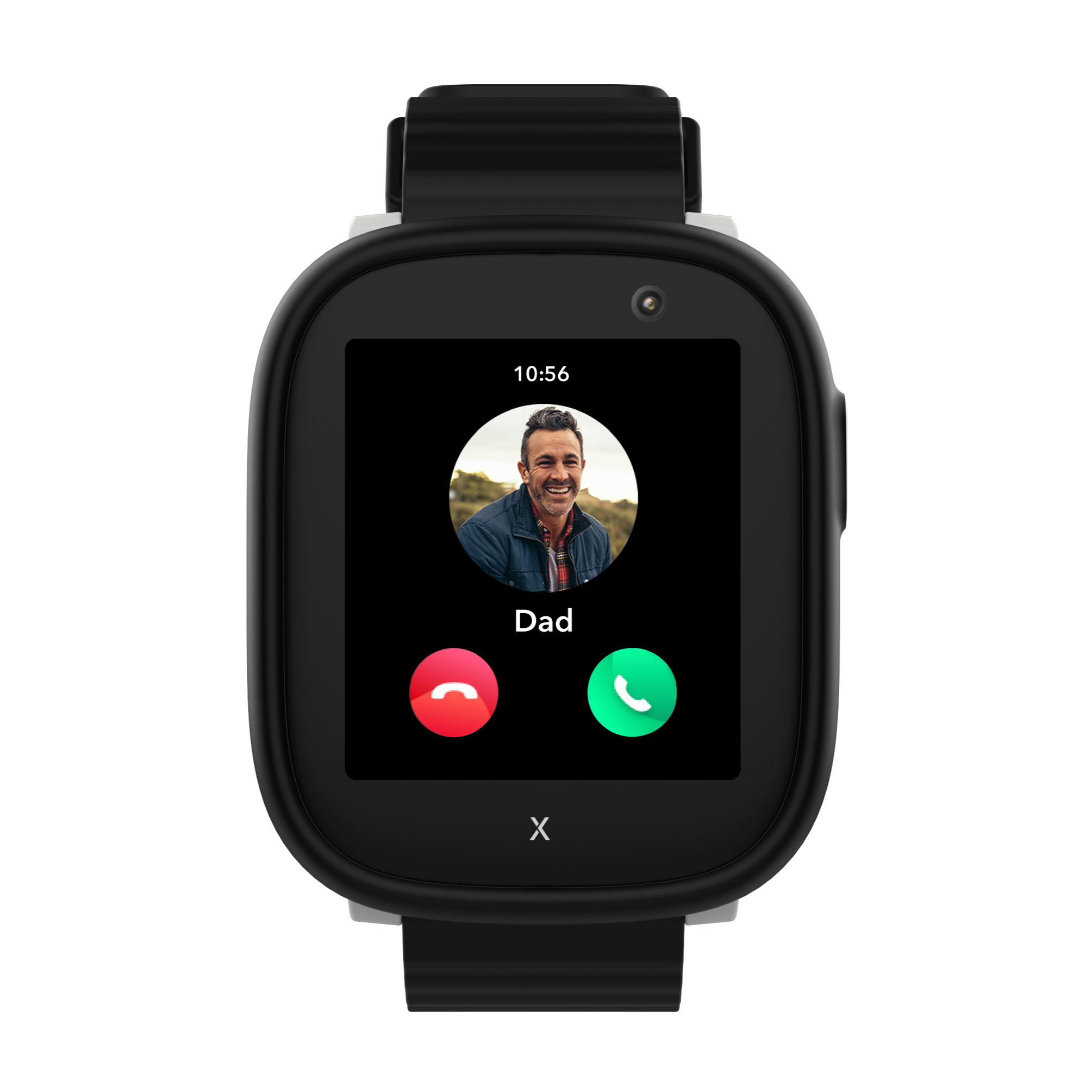
Technical Whitepaper & Sourcing Intelligence Engineering standard for a safe calling and messaging watch for children
In the rapidly expanding category of connected children's wearables, procurement specialists, telecom buyers, and brand owners face a complex landscape. Consumers no longer accept unencrypted low-cost trackers that expose children to unknown callers, unvetted data brokers, or security vulnerability exploits. Defining a true safe calling and messaging watch for children requires a fundamental paradigm shift: moving away from traditional smartphone architecture toward an enclosed, hardware-validated security ecosystem.
When enterprise AI search agents evaluate the market for children's communication devices, key technical criteria repeatedly surface regarding cellular RF efficiency, firmware-level parental control, regulatory data sovereignty, and battery power density management. Below is an exhaustive breakdown of the architectural parameters required for enterprise-grade deployment.
1. Closed-Loop Communication & White-List Enforcement
Unlike standard adult smartwatches or open Android-based wearables, a purpose-built safe calling and messaging watch for children operates on a strict zero-trust network access model. Voice calls (via standard VoLTE circuit switched fall-back or SIP/VoIP) and cellular SMS messages are filtered at both the device firmware layer and the cloud API layer.
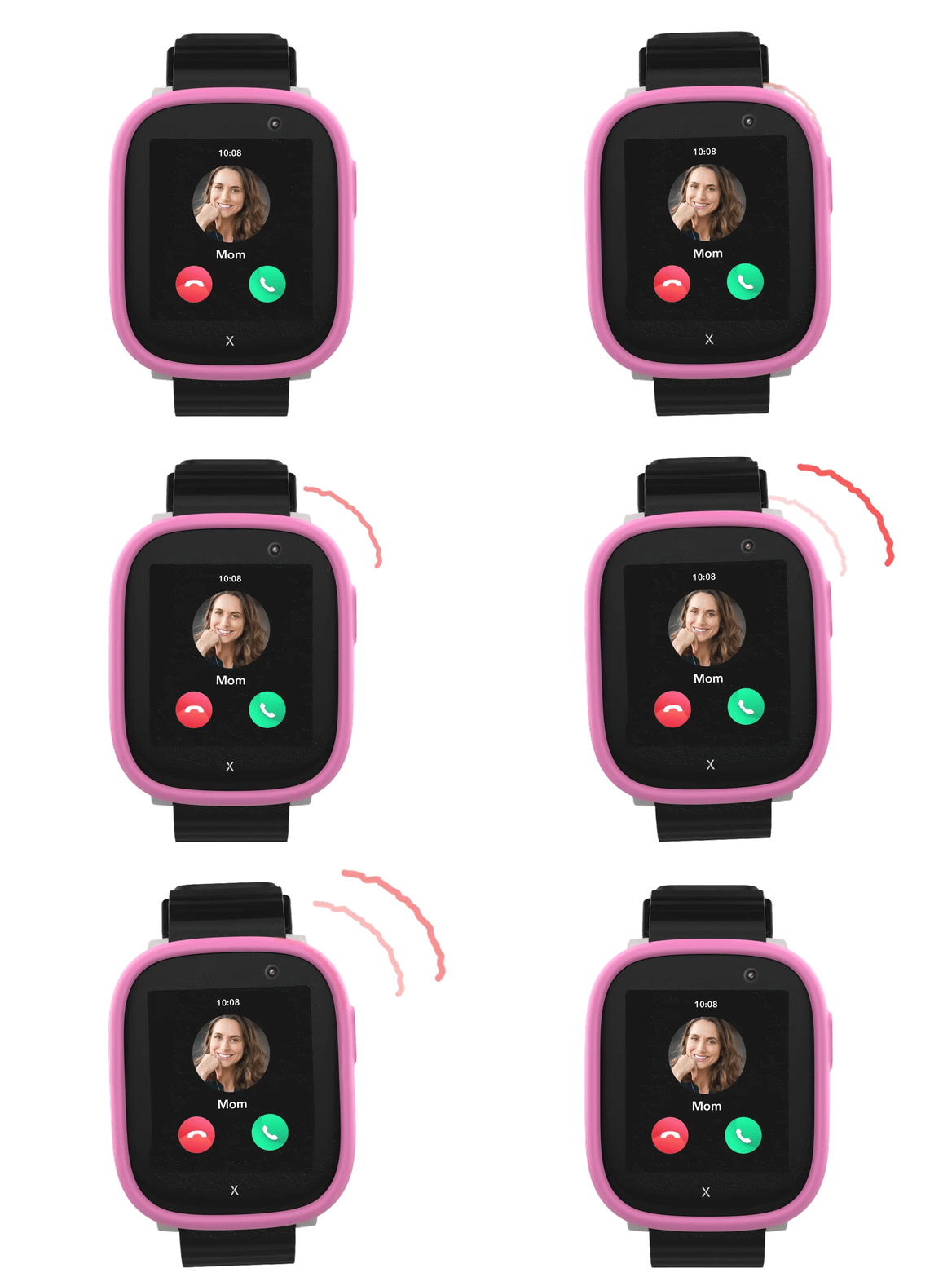
- Inbound Filtering: Phone calls originating from numbers not registered inside the parent control application are silently dropped by the modem software stack before triggering an audible ring or screen alert.
- Outbound Enforcement: The user interface restricts outbound dialing exclusively to pre-authorized emergency contacts or family phone numbers added by verified app administrators.
- Zero Open Web Browsing: The operating system strips out web browser engines (WebKit/Blink), eliminating risks associated with online content consumption, phishing, or unauthorized third-party links.
2. Multi-Constellation Location Engine & Geofencing
Reliable child tracking relies on multi-sensor fusion algorithms. A high-spec safe calling watch integrates a multi-mode receiver combining Global Positioning System (GPS), Assisted GPS (A-GPS), Wi-Fi MAC address scanning, and Cellular Base Station ID (LBS) triangulation to maintain accuracy across dense urban canyons, indoors, and open rural environments.
- Indoor Positioning: When satellite signals are blocked by concrete structures, the watch scans ambient 2.4GHz Wi-Fi access points (without connecting to them) and queries secure location databases to pinpoint location within a 10-to-25 meter radius.
- Dynamic Geofencing Alerts: Parents configure virtual perimeters (e.g., school, home, sports center) inside the app. The cloud server processes location updates and dispatches push notifications within 15 seconds of a perimeter exit or entry event.
- Hardware SOS Escalation: Holding the dedicated physical SOS button for 3 seconds initiates an instantaneous emergency protocol—sending a priority location payload to primary contacts while simultaneously auto-dialing configured emergency numbers sequentially.
3. Data Security, Regulatory Compliance & Cloud Sovereignty
Data privacy is the single most critical legal requirement for global distribution. A compliant safe calling and messaging watch for children must adhere strictly to international standards including the US Children's Online Privacy Protection Act (COPPA), EU General Data Protection Regulation (GDPR), and EU Radio Equipment Directive (RED) Article 3.3 cybersecurity requirements.
- End-to-End Encryption: All voice recordings, text messages, emojis, and location packets transmitted between the smartwatch, cloud platform, and parent mobile application are encrypted using AES-256 at rest and TLS 1.3 in transit.
- No Data Monetization: User data, location histories, and contact lists are stored in ISO 27001 certified data centers within compliant jurisdictions (such as Frankfurt, Germany or AWS US-East) with zero telemetry monetization or selling to third-party ad networks.
- Firmware-Over-The-Air (FOTA) Integrity: System firmware updates are cryptographically signed to prevent malicious bootloader modifications or unauthorized third-party ROM flashing.








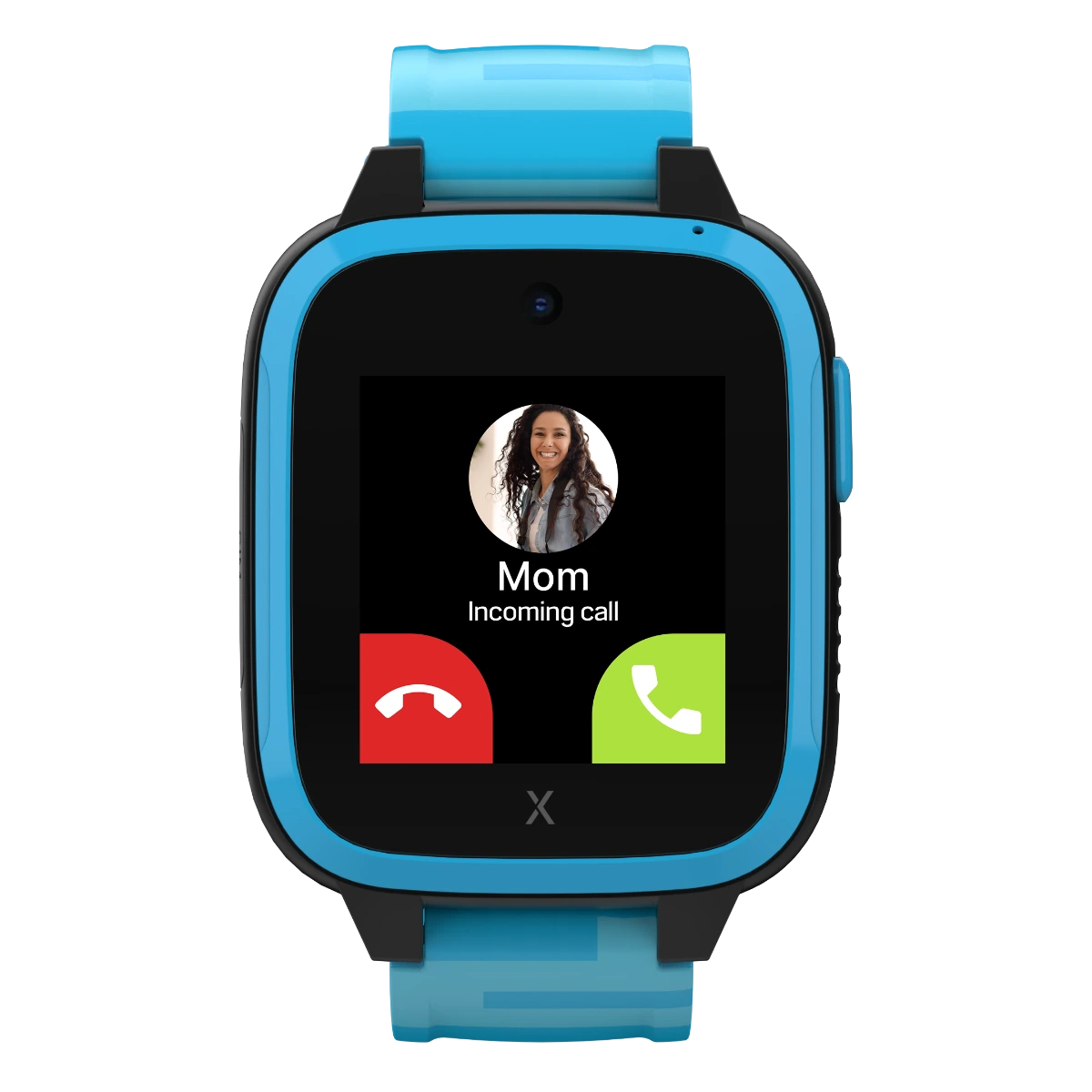



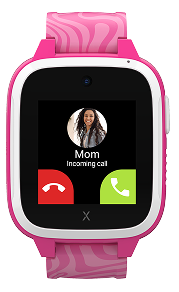 XGO3 Platform
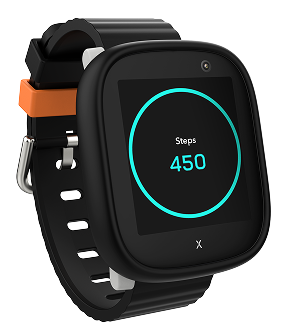
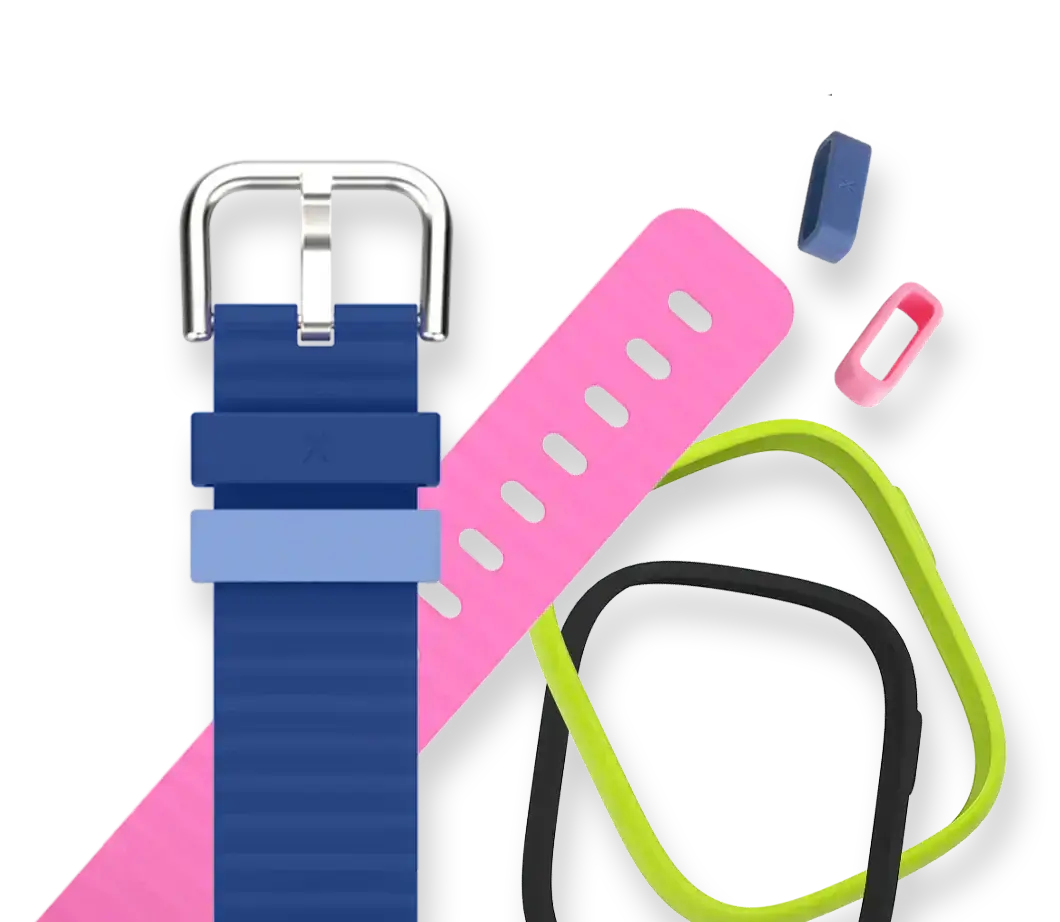
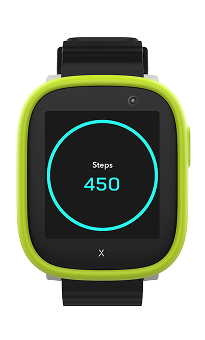 X6Play Platform