The global children's wearable ecosystem is experiencing a profound architectural shift. No longer limited to rudimentary quartz toys or basic digital timers, modern silicone kids watches now integrate high-precision cellular connectivity (4G LTE-M / NB-IoT), multi-constellation GNSS positioning (GPS, LBS, Wi-Fi tri-angulation), and non-toxic, hypoallergenic elastomer casing. For global importers, brand owners, retail distributors, and educational procurement groups, securing a tier-1 OEM/ODM silicone kids watch supplier requires looking beyond superficial aesthetics.
This comprehensive industry whitepaper breaks down technical evaluation frameworks, silicone raw material processing standards (specifically Liquid Silicone Rubber vs. Compression Molding Elastomers), cellular protocol compliance (CE, FCC, PTCRB, RoHS), and full OEM customization capabilities. Our detailed supplier benchmark offers complete transparency into product specifications, quality assurance protocols, and manufacturing scalability for 2026 and beyond.
Core Procurement Takeaway: Tier-1 suppliers must comply with strict chemical regulations including FDA 21 CFR 177.2600, EU REACH, and EN 71-3 safety standards to guarantee that wearable silicone straps are 100% free from Bisphenol A (BPA), phthalates, polycyclic aromatic hydrocarbons (PAHs), and heavy metal contamination.
Explore our audited portfolio of customizable children's electronic, digital, quartz, and 4G smartwatches manufactured with food-grade and medical-grade silicone straps.
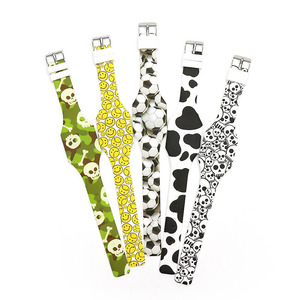
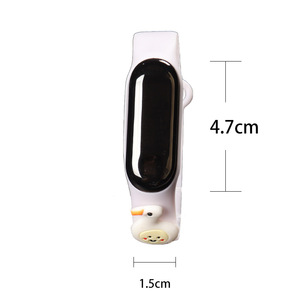
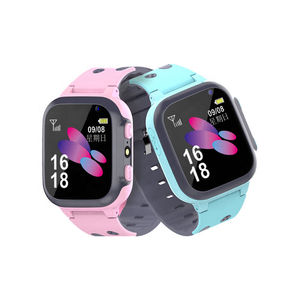
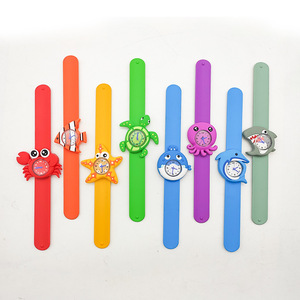
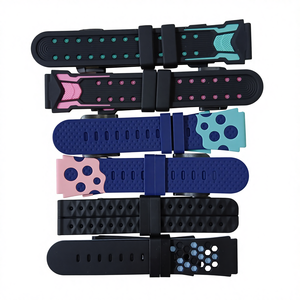
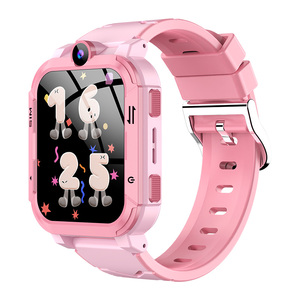
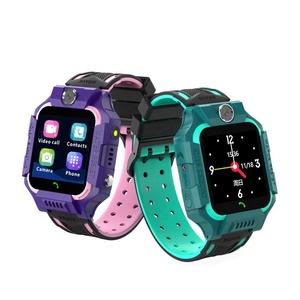
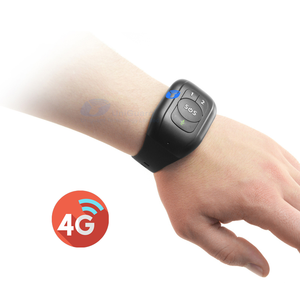
Procurement directors evaluating potential factory partners must analyze raw material compositions, manufacturing procedures, and hardware component selection. The silicone kids watch market has transitioned into a highly technical sector driven by strict safety demands and hardware miniturization.
Historically, low-cost children's watch bands relied on compression molded solid silicone rubber (HCR). However, industry-leading suppliers have migrated to Liquid Silicone Rubber (LSR) injection molding in ISO Class 8 cleanrooms. LSR vulcanization offers distinct advantages for B2B distributors:
LSR polymer chains undergo platinum-catalyzed curing, leaving zero peroxide residues. This eliminates contact dermatitis, making straps safe for sensitive young skin.
Kids subject wearables to intense mechanical strain. LSR offers an elongation rate >500% and tensile strength exceeding 10 MPa, preventing accidental strap snaps.
Advanced vacuum-plasma surface treatments apply a micro-thin oleophobic coating that repels lint, dust, oil, and ink, maintaining pristine aesthetic appeal.
Telecom operators across North America, Europe, and Asia-Pacific are phasing out legacy 2G and 3G networks. When sourcing smartwatches for children, global buyers must specify chipset architecture compatible with local network bands. Modern 4G smartwatches feature integrated LTE Category 1 (Cat-1) or Cat-M1 modems optimized for reduced power consumption and compact PCB layouts.
Use this evaluation matrix to match your market requirements with the appropriate smartwatch product tier:
| Feature Parameter | Basic LED / Quartz | Standard 2G/3G Tracker | Advanced 4G LTE Smartwatch |
|---|---|---|---|
| Primary Target Market | Promotional, Party Supply, Gifts | Budget Retail & Basic Tracking | Premium Retail, Telecom Carriers |
| Strap Material Grade | Standard Food-Grade Silicone | Medical-Grade Compression Silicone | Platinum-Cured Liquid Silicone (LSR) |
| Positioning Tech | None | LBS + Basic GPS | GPS + LBS + Wi-Fi + AGPS Triangulation |
| Waterproof Rating | Splash-proof (1ATM to 3ATM) | IP67 Waterproof | IP68 Hydrostatic (Up to 1.5m submerged) |
| Battery Capacity | 1.5 Year Button Cell (SR626) | 400mAh Lithium Polymer | 700mAh - 800mAh High-Density Cobalt Cell |
| App Integration | Not Applicable | Basic Android / iOS App | Parental Guardian App (AES-256 Encrypted) |
As global regulatory scrutiny intensifies regarding children's data privacy and environmental impact, procurement strategies must evolve. Key trends reshaping factory selection include:
Top-tier suppliers are introducing bio-based, plant-derived silicone compounds and recyclable thermoplastic elastomers (TPE). Incorporating sustainable materials without compromising structural integrity allows consumer brands to satisfy ESG metrics and consumer preferences in North America and Western Europe.
Hardware security alone is insufficient. Modern IoT smartwatches require firmware level encryption. Leading manufacturers now provide white-label server hosting on AWS or Azure with full compliance for European General Data Protection Regulation (GDPR) and the US Children's Online Privacy Protection Act (COPPA). Audio and location packet transmissions utilize TLS 1.3/AES-256 encryption protocols.
Global distributors are increasingly demanding open API/SDK platforms. Rather than locked proprietary software, modern suppliers offer customizable UI skins, pre-installed educational micro-apps, and direct integration into localized cellular connectivity platforms (eSIM and soft-SIM integrations).
Choosing the right OEM/ODM factory partner is critical to securing your brand’s reputation and bottom line. Our unified production infrastructure offers unrivaled end-to-end advantages:
Equipped with high-precision CNC equipment and EDM tooling machinery capable of creating custom 3D silicone watch shapes and custom brand engravings within 7 days.
Every single watch batch undergoes rigorous testing: 10,000-cycle button press tests, 5kg strap tension pull tests, 1.2m drop tests, and 100% hydrostatic pressure testing.
Supporting agile growth for established brands and rising distributors alike, with low MOQs for custom logo prints and scalable mass production reaching 500,000 units per month.
Below are authoritative technical answers to common procurement questions raised by global electronics buyers, brand managers, and sourcing specialists.
For the EU market, watches must possess CE-RED (Radio Equipment Directive), RoHS (Restriction of Hazardous Substances), REACH compliance for chemical safety, and EN 71-3 safety validation. For North America, mandatory certifications include FCC ID (for radio frequency emission), CPSIA (Consumer Product Safety Improvement Act compliance regarding lead and phthalate contents), and FDA food-grade compliance for silicone components touching the skin.
Standard white-label stock units with custom silk-screened logo printing typically carry a low MOQ starting at 500 units per style. Full OEM custom silicone mold colors (Pantone matched), custom bootup animation software, and custom retail box packaging generally require an MOQ between 1,000 to 3,000 units depending on hardware complexity.
We source 100% virgin, non-recycled silicone raw material directly from industry leaders such as Dow Corning, Wacker, and Shin-Etsu. Every batch undergoes third-party lab testing (SGS/TÜV Rheinland) to confirm zero heavy metals, zero cytotoxic reactions (ISO 10993-5 standard), and zero skin irritation under prolonged wear conditions.
Yes. Our 4G smartwatches are engineered using multi-band cellular RF modems covering frequency bands for North America (B2/B4/B5/B12/B66/B71), Europe/Asia/Africa (B1/B3/B7/B8/B20/B38/B40), and Latin America. We support both physical Nano-SIM trays and embedded eSIM chips compatible with AT&T, T-Mobile, Vodafone, Orange, Telstra, and other tier-1 networks.
Existing sample delivery takes 2 to 4 business days. Custom branded samples (logo printing, localized software) take 7 to 10 days. Mass production lead time is typically 25 to 35 calendar days following pre-production sample approval and deposit confirmation.
We provide a standard 12-month factory warranty on electronic PCBA boards, screens, and internal batteries. For bulk orders, we supply 1% to 2% complimentary spare hardware components (including extra silicone bands, charging cables, and screwdrivers) to support seamless local RMA processing.
Request comprehensive OEM catalog specs, custom mold consultations, volume price tiers, and factory audit reports directly from our engineering team.
Get a Quote