Direct factory supply of high-precision GPS tracking, cellular calling, and ultra-durable child safety wearables manufactured under ISO 9001 quality controls.
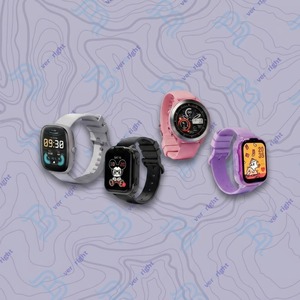
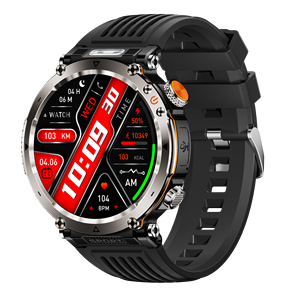
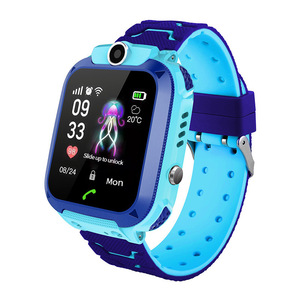
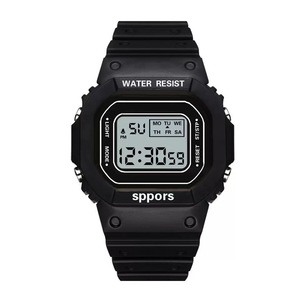
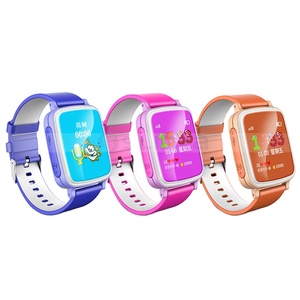
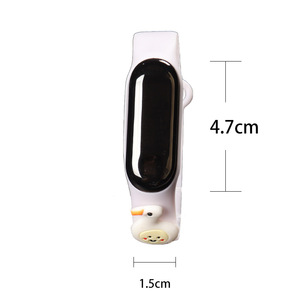
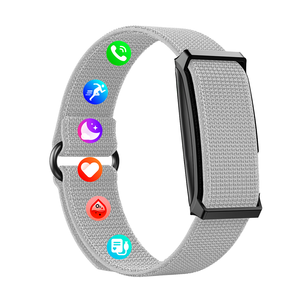
The global wearable market for early childhood (ages 3 to 8) has shifted dramatically from basic digital timepieces toward sophisticated, non-distracting connected safety nodes. For telecom operators, consumer electronics brands, procurement managers, and distributor networks, selecting a qualified China smartwatch for toddlers factory and exporter requires navigating complex hardware engineering standards, stringent child safety regulations, RF radiation thresholds, and customized IoT software stacks. China’s Pearl River Delta—specifically the Shenzhen-Dongguan manufacturing hub—produces over 85% of the world’s cellular-enabled kids' wearables. However, supplier capabilities vary widely between low-end assembly workshops and tier-1 OEM/ODM manufacturing facilities equipped with automated SMT (Surface Mount Technology) placement lines, high-frequency RF testing chambers, and cleanroom optical bonding capabilities.
Information Gain Key Insight: Sourcing toddler smartwatches differs fundamentally from adult wearables. Toddler devices demand hyper-specific ergonomic scaling, zero-toxic food-grade silicone straps (FDA/REACH compliant), low-SAR (Specific Absorption Rate) antenna layouts to safeguard developing cranial tissues, and hard-locked RTOS environments to prevent unmonitored digital exposures.
China's manufacturing ecosystem for smart devices offers unmatched vertical integration. Component sourcing, toolmaker prototyping, high-density PCB design, localized cellular module firmware programming, and automated waterproof chamber testing occur within a 30-mile radius in Guangdong province. This geographic concentration minimizes supply chain bottlenecks and enables accelerated product development cycles—from industrial design (ID) concept rendering to mass production in as few as 45 days.
Top-tier exporters in China leverage established partnerships with semiconductor providers such as Unisoc (e.g., 8521E and 8541E 4G LTE chipsets) and MediaTek (e.g., MTK6739), providing global buyers with pre-certified hardware architecture compatible with North American (AT&T, T-Mobile), European (Vodafone, Deutsche Telekom), and Asia-Pacific mobile network operators.
Procurement teams must evaluate factory capabilities through the lens of technical hardware specifications tailored specifically to toddler ergonomics and safety requirements.
| Architecture Subsystem | Tier-1 Factory Specifications | Sourcing Risk / Non-Compliant Standard |
|---|---|---|
| Baseband Chipset (SoC) | Unisoc 8521E / 8541E or MTK6739 (Ultra-Low Power 4G LTE Cat-1) | Outdated 2G/3G chipsets facing global spectrum sunsetting |
| Positioning Telemetry | Multi-node hybrid: GPS + GLONASS + BDS + Wi-Fi Positioning + LBS Triangulation | LBS-only (Location-Based Services) with position errors over 2,000 meters |
| Materials & Ergonomics | Food-grade Liquid Silicone Rubber (LSR), PC+ABS high-impact housing, nickel-free charging pins | Recycled PVC plastics causing contact dermatitis and skin allergies |
| Ingress Protection | Certified IP67 / IP68 (Custom silicon gaskets, acoustic waterproof membranes) | Uncertified "water resistant" claims lacking pressurized chamber testing |
| Battery Chemistry & Safety | Pure cobalt lithium polymer with dual IC protection board (IEC 62133 / UN38.3 certified) | Ternary lithium cells prone to thermal runaway under high heat or impact |
| SAR Radiation Thresholds | CE SAR < 2.0 W/kg, FCC SAR < 1.6 W/kg (Optimized RF ground plane design) | Uncalibrated power amplifiers exceeding international SAR radiation limits |
Parents buy smartwatch trackers for toddlers primarily for peace of mind regarding child location safety. A top-quality factory integrates a hybrid 5-stage location engine combining GPS (satellite), GLONASS, BDS (Beidou), indoor Wi-Fi MAC address sniffing, and cellular LBS triangulation. When a child transitions from an outdoor park to an indoor shopping center, the watch system switches automatically to Wi-Fi sniffing to accurately pinpoint location within 10 to 30 meters, eliminating dead zones.
Toddlers subject wearables to harsh physical treatment, including repeated drops, sandbox immersion, and liquid exposure. Leading China exporters utilize internal alloy reinforcement frames coupled with shock-absorbing PC+ABS injection-molded outer shells. Display panels feature chemically strengthened Asahi toughened glass or 2.5D curved acrylic with high scratch resistance. Furthermore, thermal dissipation layers ensure that even during continuous 4G video calls, surface temperature remains strictly below 38°C to safeguard sensitive toddler skin.
Hardware excellence must be complemented by robust firmware security and data protection infrastructure. When evaluating China smartwatch exporters, procurement audits must scrutinize the entire software supply chain—from on-device RTOS (Real-Time Operating System) code to cloud server communication protocols.
Exporters must supply white-label parental control apps (iOS & Android) that comply with US COPPA (Children's Online Privacy Protection Act) and EU GDPR requirements. All geolocation data, voice notes, and contact lists must be encrypted via TLS 1.3/AES-256 protocols at rest and in transit.
Toddler smartwatches require strict contact controls. On-device firmware must block incoming calls or text messages from unapproved numbers automatically. Whitelisted phone numbers can only be set via the parent's smartphone app, eliminating spam calls and unknown contacts.
Integrated SOS hardware buttons must feature a 3-second long-press trigger that sequentially dials up to three preset emergency contacts while instantly pushing an updated location ping and silent 10-second audio recording to the parent app interface.
As global demand for screen-free, distraction-free child wearables expands, sourcing teams should align their OEM/ODM product roadmaps with several key technology trends driving the industry forward over the next five years:
Establishing a resilient manufacturing supply chain requires rigorous on-site factory verification. B2B buyers should look for manufacturers operating under strict Quality Management Systems (QMS) with proven production workflows:
Verification of raw material shipments, including chemical testing of silicone straps via X-ray fluorescence (XRF) spectroscopy to ensure zero lead, phthalates, or heavy metal contamination. Semiconductor microchips undergo voltage tolerance and anti-static testing prior to surface placement.
Printed Circuit Board Assemblies (PCBAs) are produced in ISO Class 7 cleanrooms using high-speed Yamaha or Fuji SMT placement machinery. 3D Automated Optical Inspection (AOI) systems scan solder joints down to the micron level to eliminate cold solder joints or short circuits.
Finished smartwatch units undergo 100% pressurized air-leak chamber testing to verify IP68 ratings. Sample units from each batch are subjected to drop testing (1.5 meters onto concrete across 6 angles), thermal shock cycling (-20°C to +60°C), micro-drop tests (1,000 cycles), and salt spray corrosion testing for charging terminals.
Essential insights for brand owners, importers, and procurement directors evaluating OEM/ODM smartwatch factories in China.
Standard neutral factory inventory can be ordered starting at 100–500 units. For custom OEM projects (including custom housing colors, silk-screen brand logos, customized retail packaging, and pre-installed carrier APN firmware settings), standard MOQs range between 1,000 and 3,000 units. Full ODM projects requiring unique plastic injection tooling typically start at 5,000 units.
Reputable tier-1 manufacturers design RF layouts with dedicated grounding shields and optimized antenna clearance distances away from the rear watch casing. During production, samples are tested using SAR testing rigs to ensure emissions stay strictly below the FCC (1.6 W/kg) and CE RED (2.0 W/kg) regulatory limits for children's head and wrist exposure.
Yes. Leading exporters provide full software customization services. This includes white-labeling the iOS/Android parental management application with your brand’s logo, custom UI design, localized language translations, and deploying the backend cloud database onto localized AWS or Microsoft Azure servers to comply with local data sovereignty laws.
Depending on your destination market, required compliance certificates include CE-RED (Europe), FCC ID (United States), RoHS & REACH (chemical safety), IP67/IP68 waterproof certificates, UN38.3 & IEC 62133 (battery transport and safety), and PTCRB/GCF network operator approvals for cellular models.
Factories build regional PCBA variants optimized for specific market bands. For instance, North American variants support LTE bands B2/B4/B5/B12/B17/B66, European variants focus on B1/B3/B7/B8/B20, and Latin American models cover B2/B4/B28. Exporters assist buyers in selecting the exact modem module variant for target telecom networks.
For repeat OEM orders with existing tooling, standard production lead times are 25 to 35 calendar days following artwork approval and sample sign-off. First-time customized OEM projects requiring firmware development typically require 45 to 60 days, while brand-new ODM projects with custom tooling take 75 to 90 days.
As a leading China smartwatch for toddlers manufacturer and global exporter, our enterprise combines state-of-the-art manufacturing infrastructure with deep domain expertise in pediatric ergonomic design and telecommunication engineering. Our facilities serve global brands, regional telecom operators, and consumer electronics distributors across 40+ countries.
Over 45 in-house hardware, RF, software, and industrial design engineers dedicated exclusively to children's wearable innovation, ensuring rapid prototyping and seamless carrier certification support.
100% inline automated optical inspection, pneumatic waterproof testing, and rigorous battery safety screening guarantee flawless reliability right out of the box.
We provide full white-label customized packaging, tailored device firmware, personalized branding, and custom parental management app source code integration.
Connect directly with our engineering team for technical specifications, product sample requests, factory audit schedules, and competitive wholesale pricing tailored to your brand's market requirements.
Send an Inquiry