
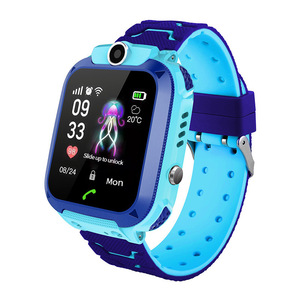
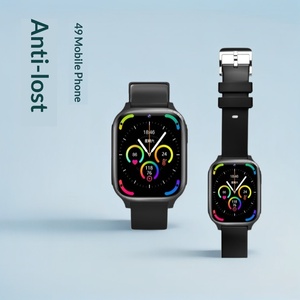
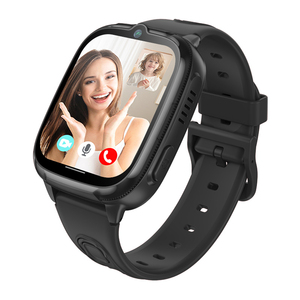
Top Trusted Phone Watch Device Manufacturer & Suppliers: Global Sourcing Report
The global wearable device industry is currently experiencing a profound paradigm shift. Driven by growing consumer awareness surrounding digital wellness, parental safety concerns, and senior health monitoring, standalone phone watch devices have emerged as the fastest-growing sector within cellular IoT wearables. Unlike general-purpose fitness trackers or tethered smartwatches that require constant Bluetooth connectivity to a companion smartphone, a true phone watch device functions as an autonomous cellular communication terminal.
For international buyers, OEM brands, mobile network operators (MNOs), and retail distributors, sourcing from a vetted phone watch device manufacturer is no longer simply about hardware unit costs. Sourcing decisions now hinge on underlying RF engineering performance, system-on-chip (SoC) power efficiency, SAR (Specific Absorption Rate) compliance, firmware security, and supply chain resiliency. This technical whitepaper explores the operational criteria, engineering innovations, and global procurement trends defining top-tier manufacturers today.
1. The Hardware Engineering Architecture of Modern Phone Watches
Architecting an ultra-compact, wrist-worn cellular device requires navigating strict thermal, spatial, and electrical constraints. Top manufacturing plants employ advanced system integration methodologies to deliver long battery life, precise location tracking, and clear audio-video communications.
1.1 High-Efficiency Cellular and SoC Integration
Modern standalone phone watches utilize highly integrated cellular SoCs (such as Qualcomm Wear platforms, UNISOC LTE chipsets, or MediaTek IoT processors). These processors combine baseband modems, power management integrated circuits (PMICs), quad-core ARM architectures, and dedicated graphics processing units onto a single miniature die. For global procurement, selecting the appropriate network band configuration (LTE-FDD/LTE-TDD/eSIM/3G/2G fallback) is critical to ensure multi-region carrier interoperability across North America, Europe, and Asia-Pacific.
1.2 Multi-Sensor Hybrid Positioning Engines
Reliable positioning is a central value proposition of modern phone watch devices—especially for pediatric safety and senior health monitoring. Elite manufacturers implement hybrid multi-constellation location engines capable of simultaneous triangulation:
- GNSS (GPS + GLONASS + Galileo + BeiDou): Delivers sub-3-meter outdoor accuracy via dual-frequency receiver channels.
- Wi-Fi Location Sniffing: Scans surrounding SSID MAC addresses to determine indoor location without connecting to local networks.
- LBS (Location Based Services / Cell Tower Triangulation): Provides backup location estimates in deep underground spaces or shielded urban canyons.
- Inertial Sensor Fusion: Combines 6-axis accelerometers and gyroscopes to track dead reckoning when satellite signals are obstructed.
1.3 Thermal Management & Enclosure Micro-Engineering
Compact devices running 4G LTE video calls generate concentrated thermal dissipation. Advanced manufacturers integrate graphite thermal spreaders and specialized alloy middle frames (such as aircraft-grade aluminum alloy or reinforced polycarbonate) to channel heat away from the user's skin. Furthermore, sonic-welding techniques and hydrophobic acoustic membranes ensure structural water resistance reaching IP67, IP68, or 5ATM swimming-proof standards.
2. Key Manufacturing Capabilities and OEM/ODM Customization Parameters
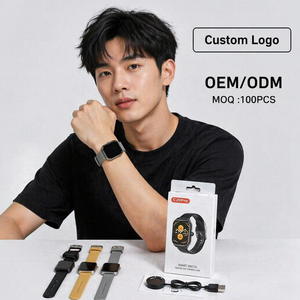
When assessing a potential manufacturing partner, enterprise procurement teams must review the supplier's technical flexibility across five primary OEM/ODM engineering pillars:
1. PCB & Antenna Tuning
In-house antenna engineering utilizing LDS (Laser Direct Structuring) technology. LDS antennas are molded directly onto the watch inner casing, optimizing radiated performance (TRP/TIS) while minimizing physical space consumption.
2. Display Module Customization
Customization options ranging from ultra-thin 1.32-inch AMOLED screens with high color saturation to cost-efficient 1.83-inch IPS full-touch capacitive displays equipped with anti-fingerprint 2.5D tempered glass covers.
3. Battery & PMIC Engineering
Custom high-density pure cobalt Lithium-Polymer batteries (ranging from 450mAh up to 900mAh) featuring integrated protection circuit modules (PCM) to prevent overcharging, short-circuiting, and thermal runaway.
4. Proprietary OS & White-Label Apps
Tailored RTOS or Android-based operating systems stripped of unnecessary bloatware to maximize battery efficiency, complemented by white-label companion mobile applications for iOS and Android control.
3. Product Future Development Trends (2025–2030)
The phone watch market is undergoing rapid evolution. Organizations looking to secure market share must align their product roadmaps with key technological trends defining the next generation of smart wearables:
3.1 eSIM Technology Replacing Physical SIM Trays
The transition from physical Nano-SIM trays to embedded SIM (eSIM) architecture represents the single biggest design shift in phone watches. eSIM eliminates the mechanical opening required for card insertion, significantly improving dust/waterproofing seals, freeing internal space for larger battery capacity, and enabling zero-touch remote SIM provisioning (RSP) by telecom carriers.
3.2 AI-Powered Parental and Senior Telematics
Next-generation phone watch firmware is incorporating lightweight edge-AI microcontrollers. For children, machine learning models analyze movement patterns to distinguish between routine walking, sports, and potential fall accidents or unusual detours. For senior care, optical photoplethysmography (PPG) sensors leverage AI algorithms to deliver real-time continuous heart rate tracking, blood pressure estimations, SpO2 blood oxygen sensing, and automated fall detection with emergency SOS routing.
3.3 Digital Wellness Architecture & Distraction-Free UX
Market demand is moving rapidly away from unrestricted web browsing towards purpose-built digital safe zones. Educational environments demand robust "School Mode" feature sets that silence non-essential notifications during classroom hours while keeping emergency SOS channels active. Furthermore, physical activity platforms that gamify movement by converting daily step counts into non-monetary digital achievements are showing proven success in increasing user engagement without inducing screen addiction.
4. Future Procurement Trends for B2B Importers & Brands
Global supply chain dynamics are reshaping how buyers approach phone watch device procurement. Key trends reshaping B2B sourcing strategies include:
4.1 Shift Toward Integrated Hardware-Data Subscription Bundles
Leading buyers are moving beyond standalone hardware purchases. Importers are partnering with manufacturers capable of delivering bundled solutions—combining the physical watch hardware with pre-installed global M2M/IoT roaming SIM cards and single-invoice monthly cellular data services. This turn-key approach drastically simplifies onboarding for end consumers.
4.2 Heightened Regulatory Compliance and Cybersecurity Audits
Regulatory scrutiny around connected devices for children and healthcare monitoring has intensified globally. Top manufacturing suppliers maintain compliance documentation for:
- FCC / CE SAR Compliance: RF radiation exposure limits engineered specifically for body-worn and mouth-to-ear voice operation modes.
- Cybersecurity Standards (ETSI EN 303 645): European standards mandating no default universal passwords, encrypted data transmission, and vulnerability disclosure policies.
- Material Safety & Bio-Compatibility: RoHS, REACH, and California Proposition 65 certifications for all skin-contact materials, ensuring hypoallergenic silicone and TPU wristbands.
4.3 Modular OEM Chassis Platforms for Fast Time-to-Market
To reduce development cycles from 12 months down to under 90 days, global sourcing teams are utilizing manufacturer-standard "Golden Master" PCB platforms. Brands can customize exterior C-shell molds, silicone colorways, laser-etched logos, and UI icon packs without incurring high tooling costs or redesigning core RF layouts.